
In the lush landscapes of Sussex—where ancient woodlands, hedgerows, and gardens frame both urban and rural scenery—tree surgery is more than a service; it’s a skilled art form rooted in environmental stewardship, safety, and aesthetics. Whether preserving a centuries-old oak or trimming back overgrown branches in a suburban garden, tree surgeons in Sussex play a critical role in maintaining the natural balance of the region.
This article explores the multifaceted world of tree surgery, detailing its techniques, environmental importance, challenges, and the evolving nature of the craft in the context of modern-day Sussex.
Understanding Tree Surgery
Tree surgery, sometimes referred to as arboriculture, is the practice of maintaining and managing trees and shrubs, particularly for safety, health, and aesthetic appeal. A tree surgeon, or arborist, is trained to evaluate tree health, perform surgical pruning, remove dangerous limbs, or even fell entire trees if necessary.
Far from simply cutting branches, modern tree surgery involves understanding tree biology, diseases, structural integrity, and the impact of environmental factors such as storms or drought.
The Role of Tree Surgeons in Sussex
Sussex, with its diverse tree population ranging from dense forest to ancient hedgerows and ornamental garden species, demands a range of specialist knowledge. Tree surgeons in Sussex must navigate not only the unique tree species of the region—such as beech, oak, ash, and sycamore—but also deal with local regulations and conservation laws, particularly within Areas of Outstanding Natural Beauty (AONBs) like the South Downs.
Key Responsibilities Include:
Crown thinning and reduction to allow more light or reduce wind resistance.
Deadwood removal for safety.
Pollarding and coppicing—traditional techniques often used in historical estates and managed woodlands.
Emergency tree work, especially after storms.
Disease diagnosis and treatment, including ash dieback, Dutch elm disease, and other fungal infections.
Why Tree Surgery Matters
1. Public Safety
Falling branches or unstable trees pose significant risks to people and property. Regular inspections and appropriate pruning help mitigate hazards, especially during the stormy Sussex winters.
2. Tree Health and Longevity
Just like humans, trees benefit from preventive care. Removing diseased limbs, increasing airflow, or correcting structural issues can extend a tree’s life by decades.
3. Aesthetic Appeal and Property Value
A well-maintained garden with healthy trees enhances curb appeal and property value. Tree surgery helps shape trees, manage growth, and maintain visual harmony in landscaped areas.
4. Ecological Importance
Sussex’s trees are vital to the local ecosystem. They support wildlife, stabilize soil, and capture carbon. Proper arboriculture ensures these natural systems remain intact and thriving.
The Sussex Landscape: Unique Challenges and Opportunities
1. Protected Areas
Tree surgeons often work in conservation areas or on Tree Preservation Orders (TPOs). In these cases, arborists must obtain permission from local authorities before undertaking any work. This requires both legal knowledge and a commitment to ethical practice.
2. Historical Estates and Ancient Trees
Sussex is home to numerous historic properties—such as those in Petworth, Arundel, and Goodwood—where tree surgery must respect heritage landscapes. Ancient and veteran trees require specialist care to preserve their ecological and historical significance.
3. Urban vs. Rural Needs
Tree surgery in urban centres like Brighton or Crawley may focus on managing smaller garden trees and street safety. In contrast, rural Sussex presents more opportunities for woodland management, biodiversity conservation, and large-scale tree care.
Techniques and Tools of the Trade
Modern tree surgery combines traditional practices with state-of-the-art technology. Here’s a look at some essential techniques and equipment:
Techniques:
Crown Lifting: Removing lower branches to raise the tree’s canopy.
Crown Reduction: Reducing overall size while maintaining shape.
Sectional Dismantling: Controlled felling in tight spaces.
Formative Pruning: Shaping young trees for future strength.
Stump Grinding: Removing stumps post-felling to clear the land.
Tools and Equipment:
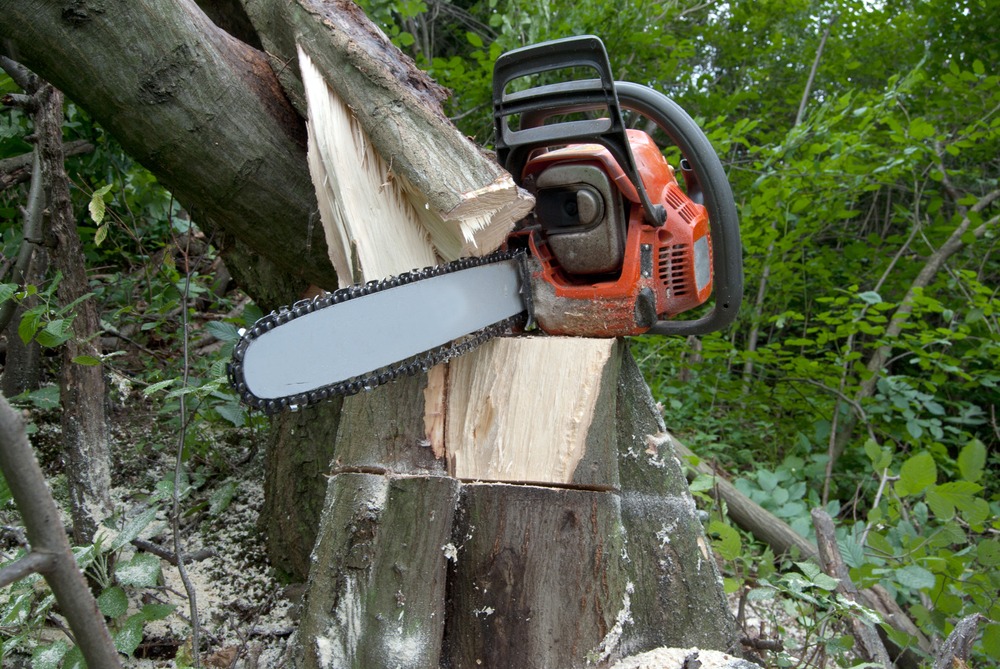
Chainsaws (ground and aerial use)
Pole pruners and saws
Climbing gear and harnesses
Mobile elevated platforms (MEWPs)
Wood chippers
Stump grinders
Health and safety equipment (PPE, helmets, rope systems)
Qualifications and Training
Professional tree surgeons in Sussex must undergo rigorous training. Accredited courses such as those offered by City & Guilds NPTC or the Arboricultural Association provide vital skills in:
Chainsaw operation
Tree climbing and aerial rescue
Tree identification and biology
First aid and risk assessment
Safe equipment use and maintenance
Additionally, public liability insurance and adherence to British Standard BS3998:2010 (Tree Work – Recommendations) are essential for legal and safety compliance.
Environmental Stewardship: Tree Surgery and Climate Change
As climate change affects rainfall, temperatures, and storm intensity, trees face new threats. Tree surgeons act as front-line defenders of biodiversity by:
Monitoring trees for stress signs (e.g., cracking bark, leaf wilt)
Advising landowners on planting climate-resilient species
Managing invasive pests and pathogens
Helping offset carbon by preserving mature trees
In Sussex, local councils and environmental groups often collaborate with tree surgery firms to maintain urban forests and ensure replanting initiatives succeed.
Case Studies: Tree Surgery in Action
1. Storm Damage Recovery in Chichester
After a heavy winter storm, a number of large oak limbs posed hazards in a local park. A Sussex-based tree surgery firm used MEWPs and rope access to safely remove broken branches and re-balance remaining limbs to reduce future stress.
2. Ash Dieback Management in the South Downs
Ash trees suffering from Hymenoscyphus fraxineus (ash dieback) were endangering hikers and roads. Certified arborists selectively removed affected trees, preserving as much biodiversity as possible, while planting disease-resistant saplings.
3. Heritage Garden Restoration in Lewes
At a 17th-century manor, arborists were tasked with shaping ornamental beech trees in line with historical landscaping plans. Combining archival research and advanced pruning, they restored the garden’s original symmetry without harming mature trees.
Choosing the Right Tree Surgeon in Sussex
Not all tree surgeons offer the same level of service. When selecting a professional, homeowners and businesses should look for:
Arboricultural Association accreditation
Transparent pricing and written quotations
Proper insurance (minimum £5 million public liability)
Local knowledge and experience
Positive reviews and references
It’s also wise to confirm whether the contractor handles planning permissions, especially when working within protected areas.
Tree Surgery and Community Engagement
Many tree surgeons in Sussex go beyond the call of duty by participating in:
Community planting days
School education programs
Volunteer conservation projects
Urban greening initiatives
Such involvement helps spread awareness about the importance of trees and sustainable environmental management.
The Future of Tree Surgery in Sussex
The tree surgery industry is constantly evolving with the introduction of:
Drone technology for aerial inspection
Digital mapping to track tree health and growth
Battery-powered chainsaws to reduce carbon footprints
Biodiversity net gain policies influencing planning applications
As public demand for greener cities and sustainable living grows, the role of the modern arborist will only become more essential.
Final Thoughts
Tree surgery in Sussex is an intricate blend of science, art, and environmental ethics. It supports public safety, nurtures natural habitats, and preserves the region’s beauty and heritage. From stately oaks in ancient woodlands to ornamental cherry trees in Brighton courtyards, each tree tells a story—and it’s the job of tree surgeons to ensure those stories continue for generations to come.
If you’re a homeowner, land manager, or simply a tree enthusiast, investing in professional tree care not only safeguards your property but contributes to a healthier and more vibrant Sussex.
Contact a qualified tree surgeon today and help keep Sussex’s natural heritage thriving—one branch at a time.